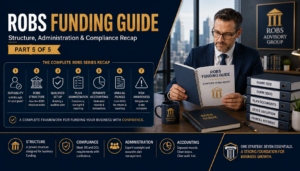
When entrepreneurs consider utilizing their retirement savings to fund a business, the decision often revolves around a financial structure known as Rollovers as Business Startups (ROBS). While ROBS can present unique opportunities for aspiring business owners, the complexities involved necessitate proper guidance. This is where a qualified ROBS administrator becomes crucial. Professional expertise in ROBS setup and ongoing administration not only helps ensure compliance with intricate regulations but also provides the necessary framework to support business viability.
Understanding ROBS Funding
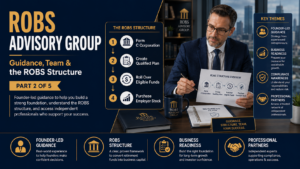
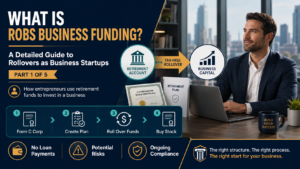
At its core, a ROBS arrangement requires several key components:
- Establishing a C corporation
- Setting up a qualified retirement plan sponsored by the corporation
- Rolling eligible retirement assets into the new plan
- Using the retirement plan to purchase employer stock in the corporation
- Utilizing the resulting corporate capital for legitimate business purposes
While this overview might seem straightforward, each step involves specific legal and tax considerations. Missteps can lead to significant penalties and regulatory issues, emphasizing the need for experienced third-party professionals to handle these technical details.
The Role of a Qualified ROBS Administrator
A qualified ROBS administrator is responsible for overseeing various aspects of ROBS compliance and administration, which include:
- Plan Documents: Ensuring that all plan documents adhere to regulatory standards.
- Rollover Procedures: Assisting with the correct rollover of retirement assets into the ROBS plan.
- Participant Records: Maintaining accurate participant records to ensure eligibility and compliance.
- Employee Eligibility: Verifying that all eligible employees are included in the plan.
- Employer-Stock Transactions: Documenting the purchase and issuance of stock to maintain compliance.
- Annual Testing and Reporting: Conducting necessary tests and filings, such as Form 5500, to meet IRS requirements.
- Distribution Reporting: Handling distribution and rollover reporting when applicable.
- Plan Amendments: Ensuring any necessary amendments to the plan are properly executed.
- Ongoing Administration: Managing ongoing compliance and operational concerns of the qualified retirement plan.
Why DIY Can Be Risky
Attempting to navigate the complexities of a ROBS transaction without qualified guidance can lead to significant risks. It’s important for entrepreneurs to recognize that even with appropriate documentation, responsibilities related to compliance and operational logistics remain with the plan sponsor and fiduciaries. For example, failures such as excluding eligible employees, conducting discriminatory operations, or engaging in prohibited transactions can jeopardize the integrity of the ROBS arrangement.
Moreover, issues like valuation discrepancies and improper reporting can result in harmful consequences, including tax penalties and the disqualification of the retirement plan. By engaging a qualified ROBS administrator, entrepreneurs can mitigate these risks and ensure that their business funding strategy is appropriately managed.
The Importance of Coordination Among Professionals
A qualified ROBS administrator often collaborates with other independent professionals to ensure all angles are covered. This may include:
- Attorneys for legal compliance and structure
- CPAs or tax professionals for understanding tax implications
- Valuation experts for accurate business valuations
- Payroll providers for proper employee compensation management
Each of these professionals brings specialized knowledge to the table, and their roles may intersect. Collaboration is essential, especially in multi-faceted areas such as compliance, valuation, and operational reporting.
Recognizing the Risks of ROBS
Though ROBS funding can provide significant advantages, it is not without its risks. Entrepreneurs should carefully consider:
- The potential for business losses impacting retirement savings
- Operational complexities that could lead to inadvertent noncompliance
- The need for thorough due diligence and evaluation of business viability and financing alternatives
- Possible implications for future retirement plans and goals
It is crucial to conduct a thorough assessment of the business’s financial outlook, capitalization needs, and overall market conditions before committing retirement assets to a ROBS-funded business.
Documentation and Ongoing Reviews
Employing a qualified ROBS administrator allows for documented responsibilities and ongoing compliance reviews, which are imperative for maintaining the integrity of the ROBS arrangement. It is recommended for entrepreneurs to engage in periodic evaluations of their ROBS structure and administrative practices to identify any potential issues proactively.
Conclusion
While ROBS can be a powerful tool for funding a business, it is not an automatic solution. The role of a qualified ROBS administrator is vital in navigating the complexities of this funding structure. By seeking the guidance of independent professionals, entrepreneurs can safeguard their investments and enhance their potential for success. For those considering ROBS or exploring business funding options, engaging with ROBS Advisory Group can provide valuable insights and help determine the best course of action for their unique situation.
Supporting Resources
For a deeper understanding of ROBS funding, visit our core resource: What is ROBS Business Funding?