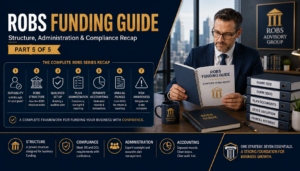
Rollovers as Business Startups (ROBS) is a funding strategy that allows entrepreneurs to access their retirement funds to invest in a new or existing business. While it offers some potential benefits, it comes with significant risks and compliance responsibilities. This guide will break down how ROBS works, the structure involved, the potential advantages and disadvantages, and the ongoing obligations associated with this financing option.
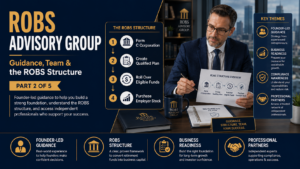
Understanding the ROBS Structure
The typical sequence of a ROBS transaction involves several key steps:
- Establishing a C Corporation: The first step is to form a new C corporation. This legal structure is essential for using ROBS because it allows the company to issue stock, which is required for the next steps.
- Creating a Qualified Retirement Plan: This corporation must establish a qualified retirement plan that meets IRS requirements.
- Rolling Eligible Retirement Assets: Eligible retirement assets, such as funds from a 401(k) or an IRA, are rolled over into this new plan. It is crucial that these assets come from a qualifying plan to ensure compliance with IRS rules.
- Stock Purchase: The retirement plan then purchases qualifying employer stock in the C corporation at fair market value. This transaction provides the corporation with necessary business capital.
Once these steps are completed, the corporation can use the capital generated from the stock sale for legitimate business purposes, such as startup costs, purchasing inventory, or buying a franchise.
Why Choose ROBS?
ROBS offers several potential advantages for entrepreneurs exploring business funding options:
- No Monthly Debt Service: Unlike traditional loans, ROBS does not require monthly repayments, reducing financial strain during the initial stages of business operation.
- No Interest Rates: Since ROBS is not a loan, there is no interest to pay, which can free up more capital for operations.
- Access to Retirement Funds: This approach allows access to retirement savings without triggering early withdrawal penalties, provided the transaction is handled correctly.
However, while ROBS can seem appealing, it is essential to thoroughly evaluate its risks and consider whether it is the best fit for your situation.
Potential Risks of ROBS
Investing retirement assets through ROBS carries notable risks:
- Business Performance Risk: Investing retirement funds into a business exposes those assets to business risks. If the business underperforms or fails, the retirement savings can be significantly impacted.
- Compliance Risks: ROBS arrangements do not automatically guarantee regulatory compliance. The IRS and Department of Labor have scrutinized these arrangements for issues related to employee participation, nondiscrimination, and valuation practices.
- Ongoing Responsibilities: Entrepreneurs must adhere to various ongoing compliance responsibilities, including proper plan administration, fair market valuations of stock, and accurate recordkeeping.
IRS Position on ROBS
The IRS does not automatically consider ROBS arrangements as abusive tax avoidance transactions. However, they are subject to scrutiny. Entrepreneurs utilizing ROBS should be aware of specific compliance concerns, including:
- Employee Participation: The retirement plan must provide benefits to eligible employees, not just the business owner.
- Nondiscrimination Rules: The plan must comply with rules designed to prevent unfair treatment of employees.
- Valuation Concerns: Proper valuation of employer stock is critical to avoid potential penalties.
- Filing and Reporting Obligations: Depending on the plan size and structure, the business may have to submit annual Form 5500 filings and other regulatory documents.
Ongoing Compliance Responsibilities
Establishing a ROBS arrangement is just the beginning. Entrepreneurs have several ongoing obligations related to their C corporation and retirement plan, including:
- Plan Administration: Ensuring that the retirement plan is properly administered is crucial.
- Corporate Governance: Maintaining corporate formalities and governance practices is necessary for compliance.
- Employee Eligibility and Participation: Following nondiscrimination rules and ensuring eligible employees can participate in the plan.
- Recordkeeping: Keeping accurate and comprehensive records is essential for compliance.
Doing Your Due Diligence
Before proceeding with a ROBS transaction, consider the following questions:
- Is the business model viable, and have you thoroughly assessed profitability prospects?
- What are the operating expenses, and is there adequate working capital?
- Have you explored alternative funding options (e.g., loans, investors) that might better suit your situation?
- Have you consulted with qualified professionals who can provide personalized legal, tax, and business advice?
Due diligence is crucial to ensure a successful outcome and minimize risks associated with using retirement assets for business funding.
Conclusion
ROBS can be a viable funding option for certain entrepreneurs, particularly those looking to leverage their retirement assets for business ventures. However, it requires careful consideration of both its advantages and risks. Always consult with qualified professionals to fully understand the implications of utilizing a ROBS arrangement.
For more information about ROBS and how it could work in your specific situation, contact ROBS Advisory Group for an advisory conversation. We provide educational guidance to help you evaluate your options, assess your business readiness, and understand the associated risks.