Understanding the ROBS Structure
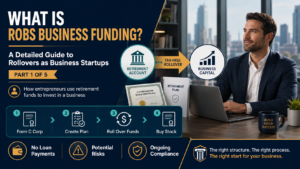
Rollovers as Business Startups (ROBS) is a funding mechanism that allows entrepreneurs to utilize their retirement assets to capitalize a new business venture. The ROBS structure generally involves four main components: establishing a C corporation, creating a qualified retirement plan sponsored by that corporation, rolling eligible retirement funds into the new plan, and using those funds for purchasing qualifying employer stock in the C corporation. This overview seeks to clarify how ROBS works and the essential roles of various parties involved in the process, emphasizing the advisory guidance provided by the ROBS Advisory Group.
The Role of ROBS Advisory Group
Founded by Jamie Darnow, who has firsthand experience operating ROBS-funded businesses, the ROBS Advisory Group emphasizes a founder-led advisory approach. The group serves to educate prospective business owners about the ROBS funding structure, ensuring they understand the complexities and responsibilities associated with utilizing retirement assets for business purposes.
Key Components of the ROBS Process
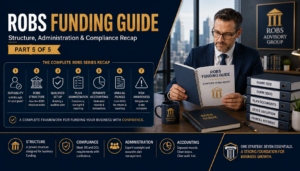
The ROBS process involves specific structural steps that must be adhered to for compliance. Here’s a brief overview of these components:
- Establishing a C Corporation: This is the foundation for any ROBS setup. A new C corporation is created to provide the corporate structure needed for later processes.
- Setting up a Qualified Retirement Plan: The new corporation sponsors a qualified retirement plan, which is crucial for holding retirement assets.
- Rolling Over Eligible Retirement Assets: Retirement funds, such as those from a 401(k), are rolled into the newly established retirement plan.
- Purchasing Employer Stock: The retirement plan purchases qualifying employer stock in the C corporation at fair market value. The corporation receives capital from this stock purchase, which can then be used for legitimate business purposes.
It’s important to note that the plan must be designed to benefit eligible employees, not just the founder. This consideration is vital for maintaining compliance and avoiding potential penalties.
Evaluating Business Readiness
Before pursuing a ROBS arrangement, it’s crucial for entrepreneurs to assess their business readiness. The ROBS Advisory Group encourages potential clients to ask important questions about the viability of their business model, capitalization needs, operating expenses, and alternative funding options. This evaluation can help identify whether ROBS is a suitable solution for their specific circumstances.
Questions to Ask ROBS Providers
Entrepreneurs should also prepare a list of questions when consulting ROBS providers. Here are a few essential inquiries to consider:
- What are the fees associated with setting up and maintaining the ROBS structure?
- What ongoing compliance responsibilities will I have?
- How will the retirement plan ensure it meets regulatory requirements?
- What support does the provider offer for business growth and compliance?
Understanding Risks and Compliance
Utilizing retirement assets through a ROBS arrangement involves considerable risks. Business success is not guaranteed, and retirement funds may be at risk of business losses. Noncompliance with IRS, Department of Labor, and ERISA regulations can lead to significant tax penalties and plan disqualification issues. Hence, it’s advisable for entrepreneurs to consult with qualified professionals in legal, tax, and retirement-plan administration to navigate these complexities effectively.
The ROBS Advisory Group provides advisory guidance, helping entrepreneurs understand the potential risks and compliance expectations associated with a ROBS arrangement. This includes attention to ongoing administrative responsibilities and other operational considerations, ensuring the integrity of the business model and the retirement plan.
Professional Partner Concept
The ROBS Advisory Group offers access to independent third-party professionals, referred to as Professional Partners. These providers handle the technical aspects of ROBS implementation, ensuring that every requirement is addressed by qualified experts. It’s important to establish an understanding that while ROBS Advisory Group connects clients with these professionals, it does not perform their services or act as a provider of technical expertise.
Comparing Business Funding Options
When considering funding for a new business or franchise, it’s essential to explore various options, including ROBS, SBA financing, and personal savings. Each method has its advantages and drawbacks, and the best choice will depend on individual circumstances. The ROBS Advisory Group encourages entrepreneurs to think critically about their business funding strategy, factoring in elements like risk tolerance, financial needs, and the nature of the business venture.
Conclusion
For entrepreneurs considering ROBS as a funding mechanism, the ROBS Advisory Group offers valuable insights and education. By understanding the fundamental ROBS structure, assessing business readiness, and preparing thoughtful questions for providers, entrepreneurs are better equipped to make informed decisions regarding their funding options. Additionally, recognizing the risks and compliance requirements associated with ROBS is essential for safeguarding retirement assets and ensuring business success.
If you’re interested in exploring ROBS funding further, contact the ROBS Advisory Group for an advisory conversation about understanding ROBS, evaluating funding considerations, and discussing appropriate next steps.
Supporting Resources
- About ROBS Advisory Group
- Jamie Darnow – ROBS Advisor
- ROBS Advisory Services
- IRS ROBS Compliance Project
For more detailed information about the mechanics and implications of ROBS funding, please refer to our core article on ROBS business funding.