In today’s entrepreneurial landscape, many business owners are exploring innovative ways to fund their ventures. One such option is Rollovers as Business Startups (ROBS). This ROBS funding guide aims to recap key concepts, structures, and responsibilities associated with ROBS arrangements, offering a structured approach to decision-making and compliance. Understanding the intricacies involved can empower entrepreneurs in their funding journey.
1. Determining ROBS Suitability
The first step for an entrepreneur considering ROBS funding is to evaluate whether it aligns with their funding goals and risk tolerance. ROBS can potentially provide access to retirement funds for business use, but it isn’t the right fit for everyone. Key considerations include:
- The stability of the entrepreneur’s retirement assets
- The viability of the proposed business or acquisition
- Personal financial circumstances and retirement goals
- Alternative financing options like SBA loans or personal savings
Entrepreneurs should ask themselves whether they are prepared to accept the risks associated with using retirement funds, as these funds will be exposed to the potential business losses.
2. Understanding the ROBS Structure
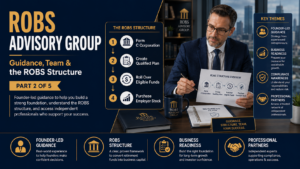
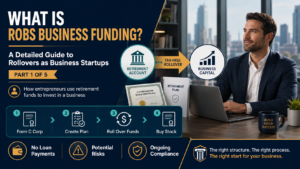
A typical ROBS arrangement involves several critical components:
- Establishing a C corporation
- Creating a qualified retirement plan sponsored by the corporation
- Rolling over eligible retirement assets into the new plan
- Having the retirement plan purchase qualifying employer stock in the corporation
- Utilizing the resulting corporate capital for legitimate business purposes
This structure allows entrepreneurs to leverage their retirement savings, but it involves multiple compliance factors that require professional guidance to navigate effectively.
3. Obtaining Qualified Technical Setup
Once the entrepreneur determines that ROBS may be suitable for their funding needs, they must seek assistance from qualified independent professionals for setup and administration. The following roles are crucial:
- Attorneys: Assist with the legal formation of the C corporation and compliance with federal and state regulations.
- Retirement Plan Administrators: Handle the complexities of managing the retirement plan.
- Tax and Accounting Professionals: Provide guidance on tax implications and necessary financial reporting.
- Valuation Specialists: Help determine the fair value of the company’s stock for compliance and reporting purposes.
4. Operating the Business and Plan Correctly
Operating a ROBS-funded business includes adhering to corporate governance requirements and conducting regular audits of both the business and retirement plan. Entrepreneurs must ensure:
- Eligible employee participation in the retirement plan
- Appropriate payroll practices and corporate governance
- Proper stock valuation and recordkeeping
- Compliance with non-discrimination and prohibited transaction rules
Failing to comply with these responsibilities may result in penalties or the disqualification of the retirement plan.
5. Maintaining Separate Accounting Records
It is essential to maintain separate accounting records for the business and the retirement plan. This distinction helps ensure clarity in financial reporting and compliance with regulatory requirements, thereby mitigating risks that can arise from mixing funds.
6. Completing Required Annual Filings
Business owners must be diligent in completing necessary annual filings. These typically include:
- Corporate Form 1120 for the C corporation
- Retirement Plan Form 5500 to report on the retirement plan’s financial condition
- Payroll and distribution forms when applicable
Filing deadlines and requirements can vary, necessitating regular consultations with tax professionals.
Who Does What? A Quick Reference
| Role | Responsibilities |
|---|---|
| ROBS Advisory Group | Provides advisory and educational guidance; helps evaluate ROBS concepts; assesses business readiness and risks. |
| Attorneys | Legal setup of the C corporation; compliance with regulations. |
| Retirement Plan Administrators | Manages the retirement plan and ensures compliance with plan requirements. |
| Tax and Accounting Professionals | Guides on tax implications, reporting, and compliance issues. |
| Valuation Specialists | Determines stock valuations and provides compliance support. |
Risk Checklist for Entrepreneurs
Entrepreneurs should be aware of several significant risks when pursuing ROBS funding, including:
- Loss of retirement capital if the business fails
- Regulatory compliance failures leading to penalties
- Obligations associated with employee stock ownership plans
- Challenges in proper business valuation and reporting
- Provider fees impacting financial performance
- Exit planning complexities and risks
Assessing these risks is crucial before moving forward with ROBS funding.
Conclusion
ROBS can be a viable funding option for entrepreneurs looking to utilize their retirement assets for business purposes, but it comes with significant responsibilities and risks that must be thoroughly understood. Before taking steps towards establishing a ROBS arrangement, it is advisable to consult with qualified professionals in legal, tax, accounting, and retirement planning. Understanding these complexities, alongside the business’s viability and funding alternatives, will empower informed decision-making.
If you have questions about ROBS or seek guidance on evaluating your options, consider contacting ROBS Advisory Group for an advisory conversation. We’re here to help you understand ROBS, assess risks, and pave your path to entrepreneurship.
Supporting Resources
For a deeper understanding of ROBS and its applications, refer to our foundational article on what ROBS can do for your business funding.